Professional Panama City Beach top Pool Cleaning Service for Every Pool
Dependable Pool Care Service for Crystal Clear Waters
A trustworthy pool cleaning service is crucial in preserving clear and healthy waters. With professional expertise and specialized tools, these services properly handle chemical balances and avoid potential health hazards. Regular maintenance not only enhances a pool's visual attractiveness but also safeguards its longevity. Understanding the key benefits and considerations of hiring such a service can result in informed decisions for pool owners. What factors should be taken into account when selecting the right service?
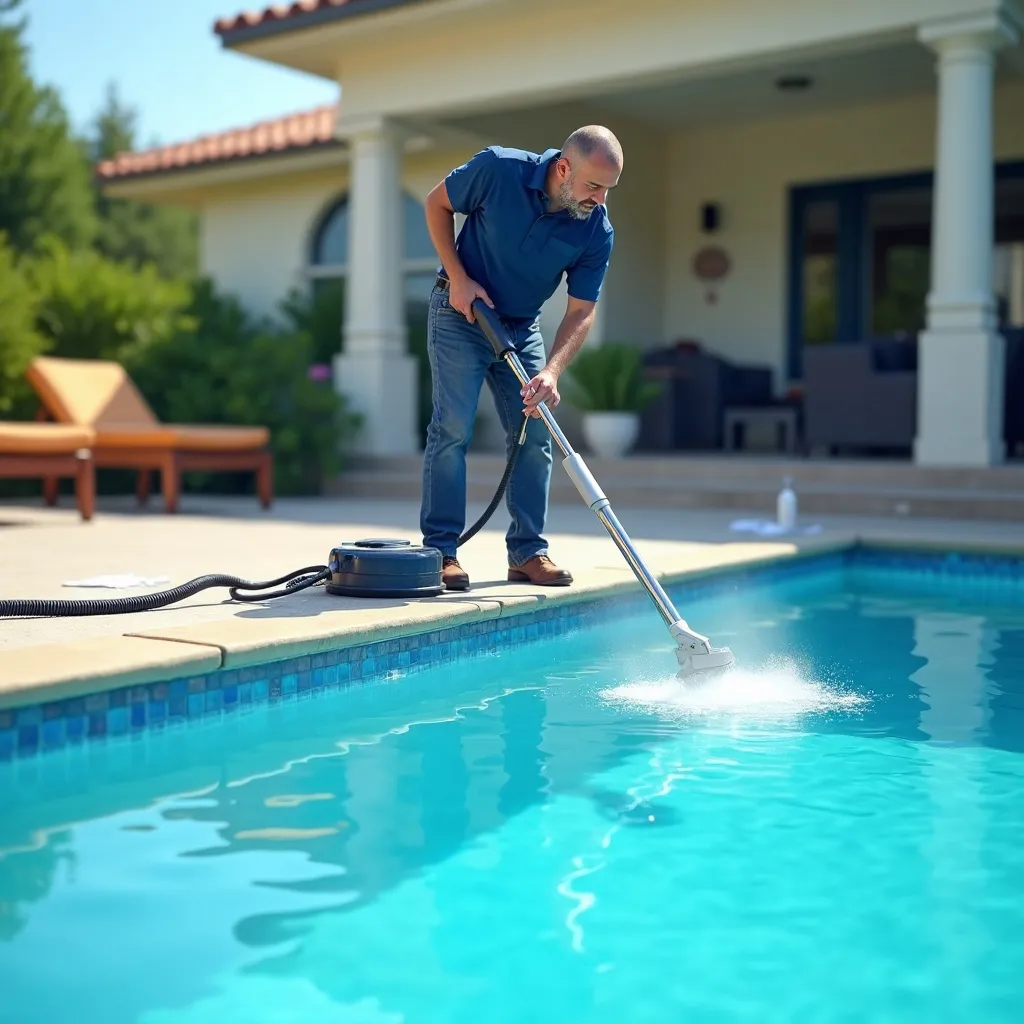
Why Go with a Responsible Pool Cleaning Business?
Why should homeowners evaluate a reliable pool cleaning service? The maintenance of a pool requires consistent upkeep to ensure water quality and safety. Homeowners often lack the time or expertise to oversee this effectively. A dependable pool cleaning service offers specialized knowledge and tools, assuring that the pool stays clean and inviting. By assigning the task to professionals, homeowners can avoid potential health hazards associated with unclean water, such as algae growth and harmful bacteria.
In addition, these services can help sustain the life of the pool's infrastructure by managing issues like debris accumulation and chemical balance. Homeowners can also benefit from routine inspections, uncovering problems before they escalate into costly repairs. Ultimately, partnering with a dependable pool cleaning service allows homeowners to enjoy their pool without the stress of maintenance, providing peace of mind and enhancing their overall swimming experience.
Essential Perks of Using a Pool Upkeep Service
While many dwellers may underestimate the essentiality of pool maintenance, hiring a professional pool cleaning service affords abundant benefits that strengthen both the pool's condition and the owner's satisfaction. One prominent advantage is the expertise these experts bring, ensuring that all operations of pool care—from chemical balancing to maintaining equipment—are performed correctly. This competence helps in preventing costly repairs down the line.
Furthermore, a routine maintenance plan eases the strain on homeowners, allowing them to enjoy their pool without the anxiety of upkeep. Professionals also employ specialized equipment and superior cleaning solutions that can produce superior results compared to DIY methods.
In addition, contracting a provider saves time, enabling homeowners to concentrate on leisure rather than chores. Ultimately, the expenditure in a pool cleaning service establishes a more attractive, clean swimming environment, amplifying both the aesthetic appeal and functionality of the pool.
Important Standards for Picking a Pool Cleaning Service
Selecting the appropriate pool cleaning service demands careful consideration of several key factors. Primarily, a reputable service should maintain proper credentials, including permits and protection, ensuring compliance with local regulations and offering protection against conceivable legal issues. Subsequently, customer reviews and testimonials function as important signals of reliability and quality, enabling prospective clients to evaluate the service's reputation.
Additionally, the range of services offered is crucial; a thorough cleaning service should encompass regular maintenance, chemical balancing, and equipment inspections. Transparency in pricing is yet another key consideration, as transparent and forthright quotations prevent unforeseen expenses. Furthermore, a commitment to using eco-conscious materials can improve the service's attractiveness, aligning with the values of eco-conscious clients. Ultimately, the availability of flexible scheduling options guarantees that the offering can meet clients' unique needs, enhancing general satisfaction and ease.
Assessing Pool Cleaning Methods: Advantages and Drawbacks
When investigating pool cleaning methods, it is critical to discern the advantages and disadvantages of each approach. Manual cleaning supports thorough attention to detail but can be labor-intensive and time-consuming. Automatic cleaners furnish accessibility and productivity, though they may not reach every corner of the pool.
Chemical treatments are efficient in disinfecting, but improper use can lead to unbalanced chemical levels. In comparison, natural cleaning methods, like using enzymes, are environmentally conscious but may require more frequent applications to maintain clarity.
Robotic cleaners have grown increasingly popular, balancing machine automation with proven results but often involve a costly upfront investment. Ultimately, which cleaning method works will depend on budget, the time you can dedicate, and what suits you best. Understanding these advantages and disadvantages helps those maintaining pools to make informed decisions and keep their pool remains sparkling and attractive.
What Schedule is Recommended for Pool Cleaning?
Determining how often a pool needs maintenance involves multiple factors that can significantly impact maintenance requirements. Seasonal variations, the regularity of pool use, and overall pool condition play vital parts in creating an efficient maintenance plan. Understanding these components can help pool proprietors preserve a safe and pleasant swimming setting.
Seasonal Maintenance Suggestions
Consistent pool upkeep is essential for keeping a secure and welcoming swimming environment. Seasonal care recommendations suggest that pool owners should arrange cleanings based on the particular needs of their pool and local weather. In spring, a comprehensive maintenance is necessary to remove waste accumulated over winter. During the summer months, weekly cleanings are often advised to control heightened usage and algae growth. As autumn approaches, more frequent maintenance may be needed to address leaves and other natural materials. In winter, if the pool is not in use, bi-weekly care can help avoid issues like freezing and algae buildup. Following these periodic recommendations guarantees optimal pool health, safety, and satisfaction throughout the year.
Pool Utilization Frequency Impact
How frequently should pool owners consider cleaning their pool? The regularity of pool cleaning largely depends on usage patterns. For pools that see constant usage, particularly in hot seasons, a weekly cleaning schedule is recommended to preserve ideal hygiene and appearance. In contrast, pools that are utilized sparingly may only need maintenance every two weeks. Weather-related considerations also factor in; for instance, in the fall, leaves and debris may necessitate more frequent care. Additionally, the number of swimmers brings in contaminants, which can speed up the requirement for maintenance. Recognizing these factors helps pool owners create a tailored cleaning routine that ensures a clean, appealing pool setting without unnecessary maintenance costs.
Water Quality Evaluation
Pool water cleanliness is a vital factor in creating a safe and enjoyable swimming environment. Regular maintenance is important to preserve ideal water quality, typically suggested once a week for residential pools. However, the frequency may differ based on several factors, including pool usage, weather conditions, and surrounding vegetation. Heavy usage or debris-laden environments may necessitate more frequent cleaning. Additionally, regular testing of water chemistry—such as pH and chlorine levels—is essential to guarantee sanitary conditions. Neglecting these aspects can lead to algae growth, cloudy water, and potential health risks. Consequently, investing in a reliable cleaning service not only improves the pool's appearance but also protects the health of its users.
What Could Go Wrong Without Proper Maintenance?
Failing to keep up with pool care can create a range of difficulties that jeopardize both the security and satisfaction of the swimming space. Without regular upkeep, sediment gathers, setting useful guide up a ideal habitat for algae and microorganisms, which may bring health threats to pool users. In addition, off-balance chemical compositions could trigger irritated skin, eye irritation, or even greater health dangers.
Over time, the pool's filter mechanism can become blocked, reducing its effectiveness and causing murky water. Moreover, ignoring regular inspections can cause physical deterioration, including fractures in the pool surface and rust of metal components. This degradation not only affects appearance but can also lead to expensive maintenance. Overall, not properly caring for a pool compromises its functionality and security, ultimately reducing the enjoyment of swimming and increasing long-term expenses for the owner. Routine upkeep is essential for preserving a clean, safe, and enjoyable pool setting.
Pool Maintenance Mistakes That Are Widespread to Sidestep
Consistent servicing is essential for warding off numerous problems, but even conscientious pool owners can make mistakes during the cleaning process. One frequent mistake is neglecting to check chemical levels before cleaning. Poor chemical balance can lead to algae growth or cloudy water, undermining the cleaning effort. Additionally, selecting unsuitable tools can impair surfaces; for example, metal brushes can gouge vinyl liners.
A common oversight involves disregarding the skimmer and pump baskets. Not emptying these may limit water flow and lower cleaning efficiency. Some owners also tend to overlook regular filter care, resulting in decreased performance and increased energy expenses.
Ultimately, infrequent cleaning can cause a collection of sediment and impurities. By avoiding these standard issues, pool owners can guarantee their cleaning routines are efficient, keeping their waters crystal clear and inviting for all.
Often Posed Questions
How do I assess whether my pool cleaner holds legitimate accreditation?
To ascertain if a pool cleaner is properly certified, one should check their credentials through relevant industry associations, examine for licenses, and ask about their training and proficiency in pool upkeep and safety standards.
What Compounds Do Pool Maintenance Companies Typically Utilize?
Pool cleaning services typically employ chlorine-based products, pH adjusters, algaecides, and water clarifying agents. These chemicals preserve water transparency, prevent algal blooms, and guarantee safe swimming conditions, supporting effective pool maintenance and general sanitation.
Can a Pool Cleaning Service Handle Repairs as Well?
Several pool service providers extend repair services, tackling issues such as seepage, mechanical failures, or structural wear. Their proficiency enables for both maintenance and repair, guaranteeing pools remain safe and functional for users.
How Precisely Do Weather Conditions Shape Your Pool Cleaning Schedule?
Climatic factors substantially influence pool maintenance schedules. Rain, wind, and extreme temperatures can hinder services, requiring modifications. Additionally, storms may add contaminants, requiring increased cleanings to preserve water quality and transparency.
What should I complete before the Pool Cleaning Service comes?
Prior to the pool cleaning service arriving, the homeowner should eliminate any pool recreational items, furnishings, and clutter from the area. Additionally, verifying the water level and allowing access to equipment can help streamline a smoother cleaning process.